Watercolour starter sets for January: compare pans, paper and brushes
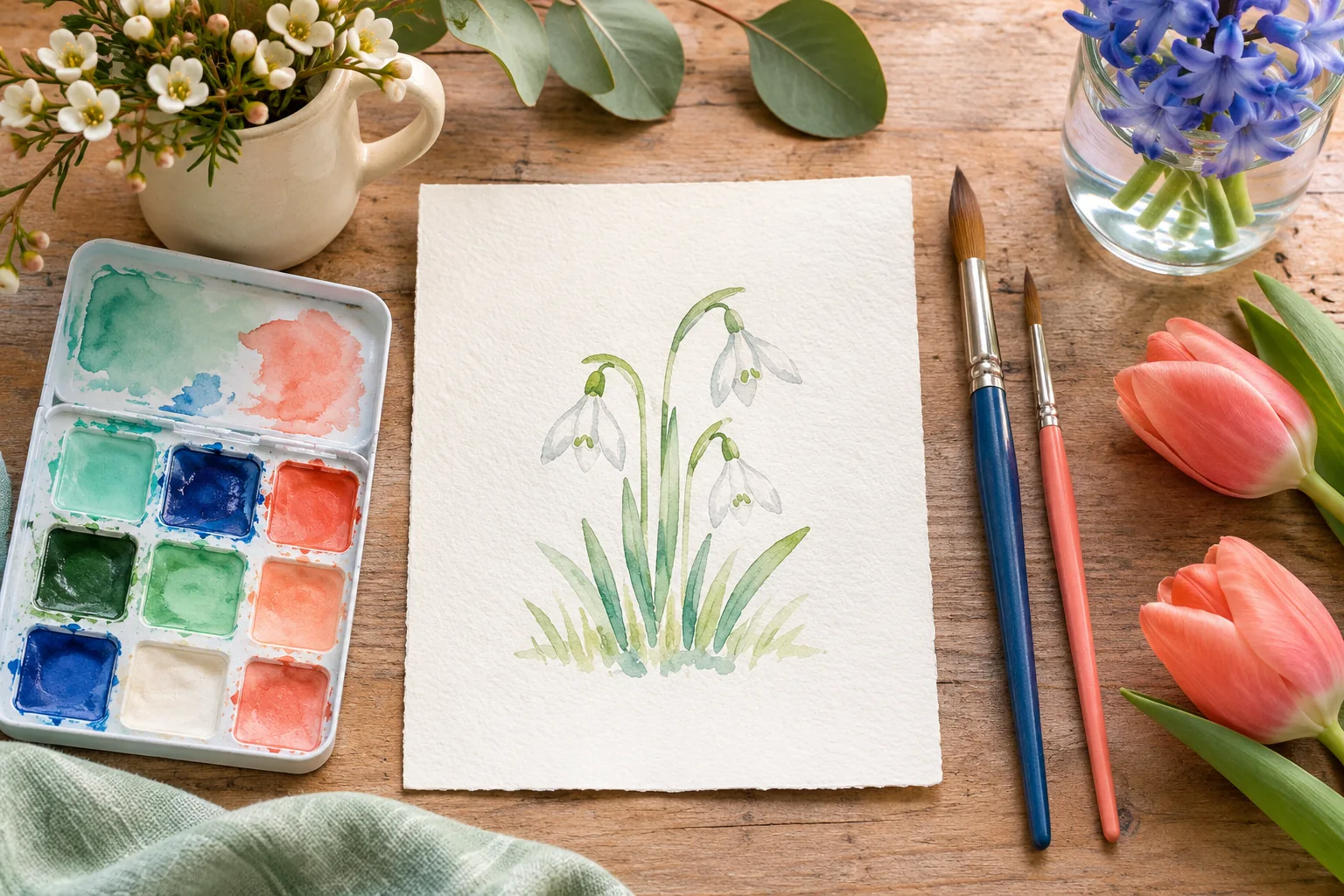
For a January creative project, a modest watercolour selection can be easier to understand than a huge palette. Start with the kind of practice you want to do and the place where you will work. Paper and brushes deserve a share of the budget alongside the paints.
Choose a paint format
Compare pans and tubes using the manufacturer's description and intended use. Check the actual amount supplied, not only the number of colours. A small selection is enough to begin learning how colours mix without buying near-duplicate shades.
Read the paper specification
Check whether paper is described as suitable for watercolour and compare its stated weight, surface and format. A pad included in a mixed art set may be intended for another medium. Follow product guidance before using a large amount of water.
Inspect brushes and extras
Read brush sizes and intended media rather than judging by handle colour. Check which tools are included and whether a palette or container is still required. Avoid assuming a set's reference photograph shows every item supplied.
Make the setup easy to put away
Choose a surface you can protect and a storage arrangement that keeps materials identifiable. Follow the products' handling and cleaning instructions. Compare the useful paints, appropriate paper and a few brushes as one complete basket before adding decorative cases.
A practical comparison
If the set includes many paints but paper intended for a different medium, compare a smaller palette with suitable paper. The useful purchase is a working combination rather than the highest number of compartments.
Your shortlist before checkout
- Compare paint format and supplied amounts.
- Check paper is suitable for the medium.
- Read brush sizes and cleaning guidance.
Do more paint colours make a better beginner set?
Not automatically. Suitable paper, clear product information and a manageable colour selection can be more useful for an early project than the biggest palette.